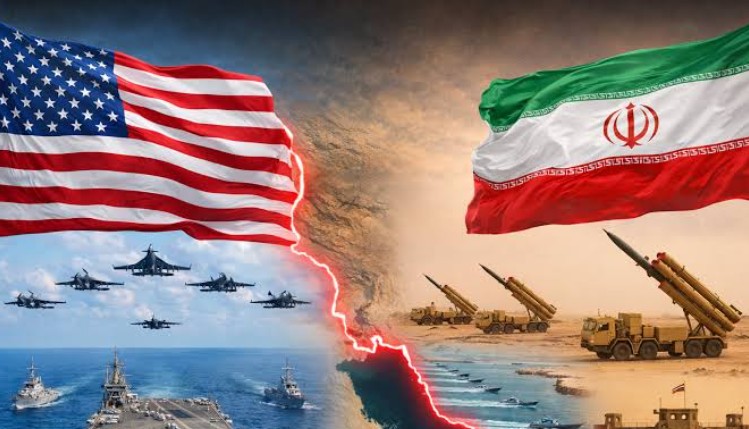
Tensions surrounding President Donald Trump and Iran are once again drawing international attention as Washington prepares to intensify economic pressure on Tehran.
The latest developments come after months of conflict, economic disruption and repeated attempts to find a diplomatic path out of the crisis.
A New Phase of Pressure on Iran
U.S. officials are preparing additional sanctions against Iran, with the Trump administration describing the coming economic measures as an unusually aggressive attempt to increase pressure on Tehran.
Trump has also warned that countries providing economic support to Iran could face consequences from Washington.
That makes the dispute much larger than a confrontation between only Washington and Tehran. Countries that trade with Iran — particularly major buyers of Iranian energy — could increasingly find themselves caught between the two sides.
Iran Says It Will Not Back Down
Iranian officials have publicly rejected Washington's latest pressure campaign.
Iran's foreign minister has argued that additional sanctions will fail to achieve the results the United States wants, signaling that Tehran intends to resist rather than immediately concede to American demands.
Other Iranian officials have issued warnings about countries cooperating with the U.S. economic campaign, adding another layer of uncertainty across the region.
Why the Strait of Hormuz Matters
One of the most important parts of the confrontation remains the Strait of Hormuz, the narrow waterway connecting the Persian Gulf with global shipping routes.
A significant share of the world's oil supply normally travels through the strait, meaning instability there can quickly affect energy markets far beyond the Middle East.
The conflict has already disrupted shipping and contributed to concerns about global oil supplies and prices.
But Diplomacy Has Not Completely Disappeared
Despite the increasingly confrontational language, diplomatic efforts are still underway.
Pakistan has been attempting to play a mediating role between Iran and the United States, and Pakistan's army chief is expected to visit Tehran as part of efforts aimed at reducing regional tensions.
Iranian President Masoud Pezeshkian has also defended a U.S.-Iran memorandum as a possible route toward ending the stalled conflict, even as major disagreements remain.
Trump Faces a Difficult Decision
The situation leaves the Trump administration balancing two very different strategies.
Washington can continue increasing military and economic pressure in an attempt to force concessions from Tehran, or diplomacy could eventually produce a compromise capable of reducing tensions.
Neither path is guaranteed.
Iran continues to signal that it will resist demands it views as unacceptable, while the United States has shown little willingness to abandon its core objectives.
What Happens Next?
The next several days could provide important clues about whether the confrontation moves toward negotiations or another period of escalation.
The expected U.S. sanctions announcement, Iran's response and ongoing mediation efforts will all be closely watched.
For now, the situation remains highly uncertain — and decisions made in Washington and Tehran could have consequences reaching far beyond the two countries.
This article summarizes developments reported by major news organizations as of August 23, 2026. Developing situations can change quickly, and later reports may provide additional information.
Sources
Reporting used for this article includes Reuters and The Associated Press coverage published in August 2026 regarding U.S.-Iran sanctions, diplomatic efforts and the continuing conflict.